

The Significance of Hand-Etched Glass in Luxury Decor
Hand-etched glass is defined as an artisan decorative technique that applies textured designs directly to glass surfaces by hand, creating patterns that diffuse light while providing complete visual privacy. The significance of hand-etched glass in luxury home decor goes far beyond surface beauty. Each piece carries the mark of a craftsperson’s hand, making it irreplaceable in a world of mass production. For art and design enthusiasts, understanding what separates true hand-etched glass from its imitators is the difference between acquiring a collectible and buying a commodity. Thegildedcup curates pieces that meet this standard of authentic craftsmanship.
What makes hand-etched glass different from other decorative glass techniques?
Hand-etched glass stands apart from engraved, cut, and sandblasted glass in both process and result. Etching is a cold process that creates surface relief by removing or frosting the top layer of glass, while engraving carves precise lines into the glass using a rotating wheel or diamond-tipped tool. Cut glass, by contrast, produces concave facets that refract light dramatically. Each method creates a completely different visual and tactile experience.
The distinction matters most to collectors. Up to 80% misidentification occurs in secondary markets, where wheel-cut pieces are sold as etched glass. That figure reflects how visually similar the results can appear to an untrained eye, which is exactly why surface inspection is the collector’s most important skill.
Acid etching vs. sandblasting: which finish wins?
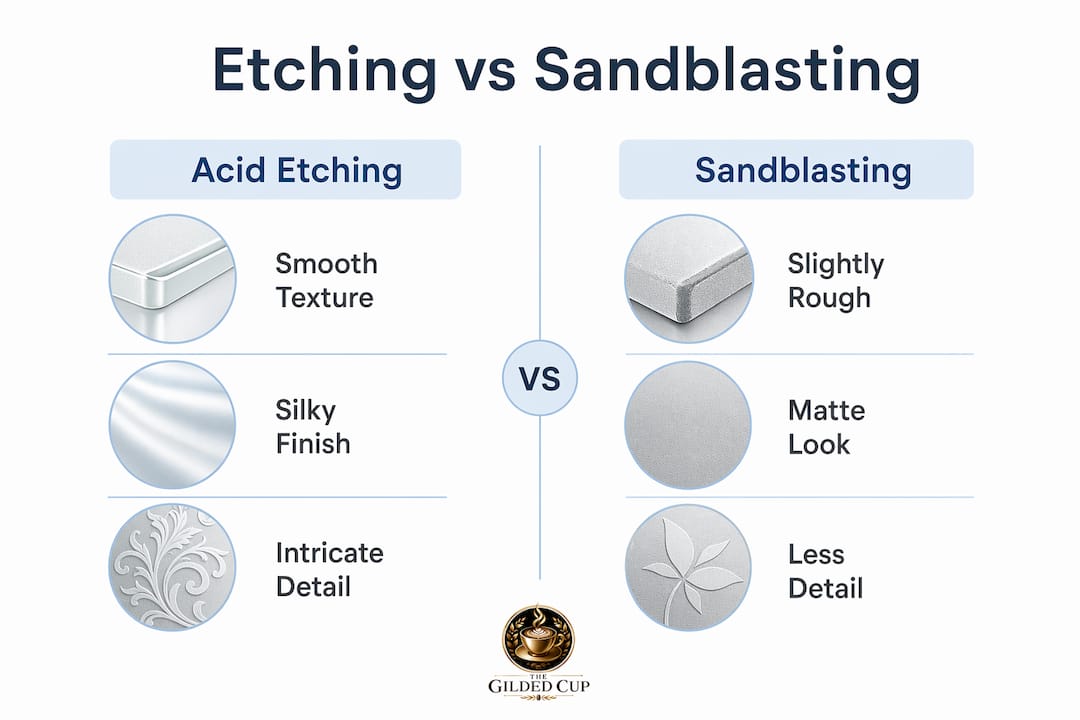
Two methods dominate hand-etched glass production: acid etching and sandblasting. Acid-etched glass produces a premium, smooth satin finish that is more consistent in appearance and easier to maintain than sandblasted glass. Architects and contractors prefer acid etching for interior projects precisely because of its uniform surface and durability.
| Feature | Acid-etched glass | Sandblasted glass |
|---|---|---|
| Surface texture | Smooth satin | Slightly coarse |
| Fingerprint resistance | High | Lower |
| Finish consistency | Uniform | Variable |
| Maintenance | Easy to clean | Requires more care |
| Preferred use | Luxury interiors | Decorative signage |
Pro Tip: Run your fingertip across the frosted surface. Acid-etched glass feels silky and uniform. Sandblasted glass feels slightly gritty and uneven. That tactile difference tells you more than any label.
High-end acid etching can rival hand-carving in visual complexity, blurring the line between mass-produced and master-crafted glass artworks. That is why the finish quality of acid-etched glass commands higher prices in the luxury residential market.
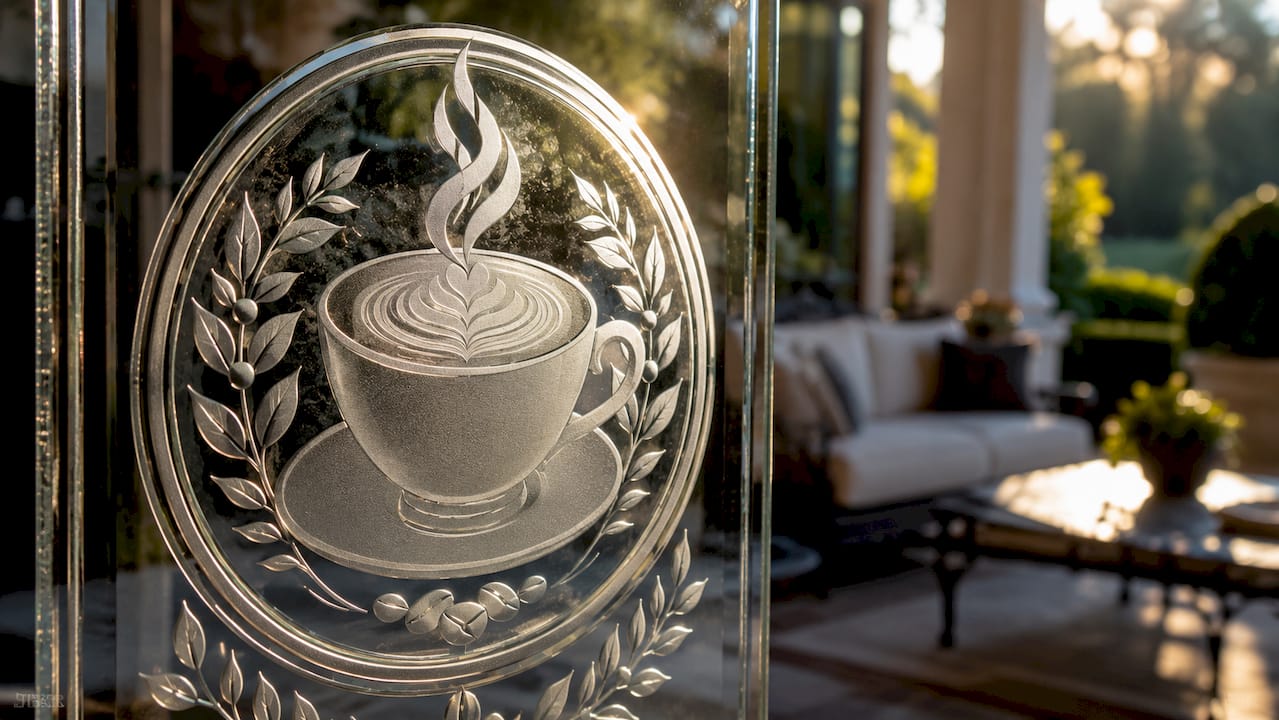
How do you identify authentic artisan hand-etched glass?
Authentic hand-etched glass carries one defining characteristic: no two pieces are identical. Natural, subtle variations in line weight or spacing are the hallmark of true artisan craftsmanship, not flaws to be corrected. A machine-produced piece will show perfect, repeating uniformity. An artisan piece will show the human hand in every curve and edge.
Identifying genuine work requires both visual and tactile inspection. Collectors and design enthusiasts use these markers:
- Surface relief: Authentic etching creates a frosted, raised or recessed texture. Printed or applied finishes feel flat and uniform.
- Pattern irregularities: Slight spacing differences between repeated motifs confirm hand application.
- Tactile texture: Subtle texture and small pattern irregularities are key indicators that distinguish authentic work from mass-produced imitations.
- Maker marks: Reputable artisan studios often sign or mark their pieces, especially on collectible drinkware and architectural panels.
- Cold process evidence: Hand-etching is a cold process that works safely on fully constructed or filled glass items, making it ideal for heirloom-quality bottles and delicate pieces that could not survive heat-based decoration.
Pro Tip: When evaluating a piece at auction or in a gallery, tilt it at a 45-degree angle under direct light. Authentic hand-etched patterns will show depth and shadow variation. Printed frosting will look flat from every angle.
The artisan drinkware craftsmanship that defines genuine hand-etched glass is measurable. Collectors who learn these markers protect their investments and build collections with lasting value.
Why does hand-etched glass matter in luxury home design?
Hand-etched glass solves a design problem that no other material handles as elegantly: it delivers 100% privacy while allowing natural light to pass freely. That combination is the reason architects and interior designers specify it for the most demanding residential applications. No curtain, blind, or frosted film achieves the same result with the same visual quality.
The applications in luxury homes are specific and well established:
- Bathroom windows: Full privacy without blocking daylight, eliminating the need for window treatments.
- Room dividers: Light flows between spaces while visual separation is maintained.
- Front door sidelights: Security and elegance without sacrificing the open feel of an entry.
- Kitchen cupboard doors: Display without full visibility, ideal for collections of fine drinkware.
- Shower enclosures: Durable, easy-to-clean surfaces that age better than film alternatives.
Acid-etched glass’s smooth surface is less prone to fingerprints and easier to clean than sandblasted alternatives, which makes it the preferred choice for high-traffic home areas. That maintenance advantage compounds over time. A well-maintained acid-etched panel in a bathroom or entry door will look identical in 20 years to how it looked on installation day.
The cultural importance of etched glass connects modern architectural preferences to a Victorian tradition of combining privacy with artistic expression. Today’s luxury architects are not reinventing the wheel. They are reviving a proven solution with better materials and more refined techniques.
What is the cultural and collectible value of hand-etched glass?
Hand-etched glass carries genuine art historical weight. Victorian and early 20th-century craftspeople used etching to bring privacy and ornament to public houses, grand homes, and civic buildings. Those original panels now appear in auction catalogs and museum collections. The patterns from that era, including floral sprays, geometric borders, and figural scenes, remain the most sought-after designs among serious collectors.
Certain hand-etched patterns from iconic makers carry significant collectible value, influenced by rarity, maker reputation, design complexity, and condition. Authentic pieces from recognized studios regularly command prices in the hundreds of dollars, and rare examples from celebrated makers reach far higher at auction. The luxury goods auction market reflects this demand clearly, with hand-etched glass appearing alongside fine ceramics and silver as a recognized collectible category.
| Collectible factor | Why it matters |
|---|---|
| Maker reputation | Established studios command premium prices |
| Pattern rarity | Uncommon designs attract competitive bidding |
| Condition | Chips, scratches, or repairs reduce value significantly |
| Design complexity | Intricate patterns signal higher artisan skill |
| Provenance | Documented history adds authenticity and value |
The collectible glassware trends of 2026 show renewed interest in artisan etched pieces as collectors move away from purely decorative objects toward items with both functional use and art historical significance. Hand-etched glass sits at that intersection perfectly. It is art you can use, and its value grows with the story behind it.
The distinction between etched, engraved, and cut glass also shapes the market. Engraved glass, with its precise carved lines, appeals to collectors who prize technical perfection. Cut glass commands its own premium for optical brilliance. Hand-etched glass occupies a different position: it is valued for warmth, individuality, and the visible presence of the maker’s hand. That is a quality no machine can replicate.
Key Takeaways
Hand-etched glass is the only decorative glass technique that combines artisan uniqueness, functional privacy, and collectible value in a single surface.
| Point | Details |
|---|---|
| Authenticity through variation | Subtle line and spacing differences confirm genuine artisan hand-etching over machine production. |
| Acid etching outperforms sandblasting | Acid-etched glass offers a smoother finish, better fingerprint resistance, and lower maintenance. |
| Privacy without light loss | Hand-etched glass delivers 100% visual privacy while transmitting full natural light. |
| Collectible value drivers | Maker reputation, pattern rarity, condition, and design complexity determine market price. |
| Misidentification is common | Up to 80% of “etched” pieces in secondary markets are actually wheel-cut; surface inspection is critical. |
Why I think most people undervalue hand-etched glass
Most design enthusiasts treat hand-etched glass as a finishing touch. I think that framing sells it short. After spending years studying artisan glasswork and handling pieces from Victorian panels to contemporary custom commissions, I have come to see hand-etched glass as one of the clearest tests of whether a space prioritizes real craft or just the appearance of it.
The detail that changed my perspective was learning about the cold process. The fact that an artisan can etch a fully assembled, filled bottle or a completed architectural panel without heat means the work happens at the end of the process, as a final act of commitment to quality. That is not how mass production thinks. It is how a craftsperson thinks.
I also believe the misidentification problem in the secondary market is underreported. When you know that up to 80% of pieces labeled as etched glass are actually wheel-cut, you realize that most buyers are not getting what they paid for. Learning to read a surface, to feel the difference between a satin acid etch and a coarse sandblast, is a skill worth developing. It protects your investment and deepens your appreciation for the real thing.
For anyone building a collection or designing a home with genuine luxury intent, I recommend starting with the hand-painted glass techniques that sit alongside etching in the artisan glass tradition. Understanding the full range of hand-applied decorative methods makes you a sharper judge of quality across all of them.
— Sharbel
Artisan hand-etched glass, curated by Thegildedcup
Thegildedcup brings together a curated selection of artisan hand-etched glassware chosen for authentic craftsmanship, not just visual appeal. Every piece in the collection reflects the qualities this article describes: genuine surface variation, quality finish, and the kind of detail that holds up under close inspection.
Whether you are adding a statement piece to a home bar, selecting a gift for someone with serious taste, or starting a collection of artisan glass, Thegildedcup offers luxury hand-etched glassware with the provenance and quality that matter. Each piece is chosen to perform as both a functional object and a work of art worth keeping.
FAQ
What is the meaning of hand-etched glass?
Hand-etched glass is a decorative artisan technique that creates frosted, textured patterns on glass surfaces by hand using acid or abrasive methods. The result is a surface that diffuses light and provides visual privacy while retaining the glass’s structural integrity.
How do I tell real hand-etched glass from a fake?
Run your finger across the frosted area and look for slight irregularities in the pattern. Authentic hand-etched glass feels smooth or slightly textured and shows subtle variations in line weight, while printed or applied frosting feels flat and perfectly uniform.
Why is hand-etched glass used in luxury homes?
Hand-etched glass delivers 100% visual privacy while allowing full natural light transmission, making it the preferred choice for bathrooms, room dividers, and front door sidelights in high-end residential design.
Does hand-etched glass hold collectible value?
Authentic hand-etched pieces from recognized makers hold and grow in value based on pattern rarity, maker reputation, condition, and design complexity. Rare examples regularly command significant prices in the luxury auction market.
What is the difference between acid etching and sandblasting on glass?
Acid etching produces a smooth, satin finish that resists fingerprints and cleans easily, while sandblasting creates a coarser texture that requires more maintenance. Architects prefer acid-etched glass for luxury interior applications because of its consistent, durable finish.