

How to Plan a Wine Tasting Event: A Host's Guide
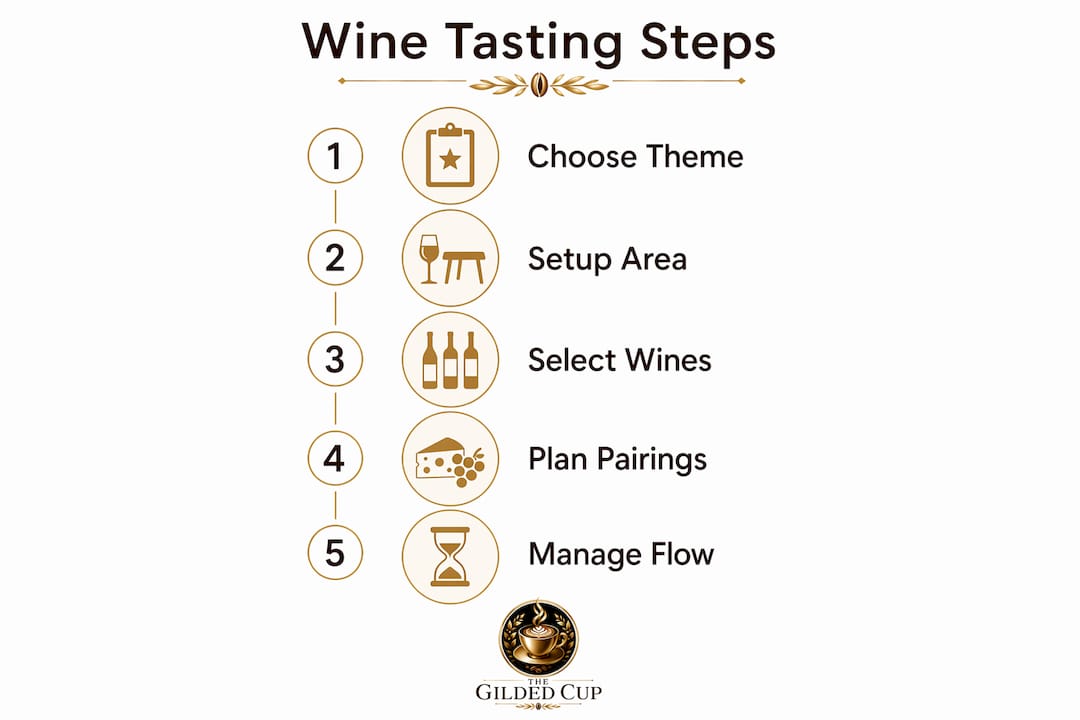
Planning a wine tasting event well comes down to six decisions made before the first bottle is opened: your theme, your wine lineup, your setup, your food, your pacing, and your glassware. Get those right and the evening runs itself. Here is what each one actually requires.
At a glance, a successful wine tasting needs:
- A single-variable theme that gives the evening a clear story arc
- Several wines chosen to support that theme
- Matching glasses, proper serving temperatures, and a clean tasting environment
- Neutral palate cleansers during the tasting, indulgent food after
- 10–15 minutes per wine, moving from lightest to boldest
- Simple tasting prompts so guests engage rather than just drink
- Quality stemware that does not distort how wines smell or taste
How to plan a wine tasting event around a theme that actually works
The single most important decision you make is the theme. A clear, tight theme creates a story arc for the evening and helps guests follow along without needing a formal presentation. Without one, you are just opening bottles.
The principle is simple: hold one variable steady and change one other. Same grape, four regions. Same region, four vintages. Same method, four countries. Dry Creek Vineyard and Wine Folly experts recommend this single-variable approach because the wines essentially teach themselves. Guests notice the differences without you having to lecture.
Popular themes that consistently work:
- Old World vs. New World: French Syrah against Australian Shiraz, or Burgundy Pinot Noir against Oregon Pinot Noir
- Single varietal, multiple regions: Malbec from Argentina, France, and California side by side
- Vertical tasting: Same producer, different vintages of the same wine
- Price comparison: Budget, mid-range, and splurge bottles of the same grape
- Climate comparison: Cool-climate vs. warm-climate expressions of one variety
- Sparkling-only: Champagne, Prosecco, Cava, and Crémant in one flight
A moderate number of wines is the right range for most groups. Fewer than four and there is not enough contrast to generate real conversation; more than six and palates start to fade before the last pour. Food & Wine advises that the host should be the sole wine buyer to keep the narrative coherent. If guests want to contribute, ask for money rather than bottles.
Setting up the tasting area and serving wines properly
The physical setup shapes how guests experience the wines before they take a single sip. A well-lit, neutral-smelling room with a white tablecloth or white paper on the table gives guests the visual contrast they need to assess color. Dim, fragrant spaces work against the tasting.
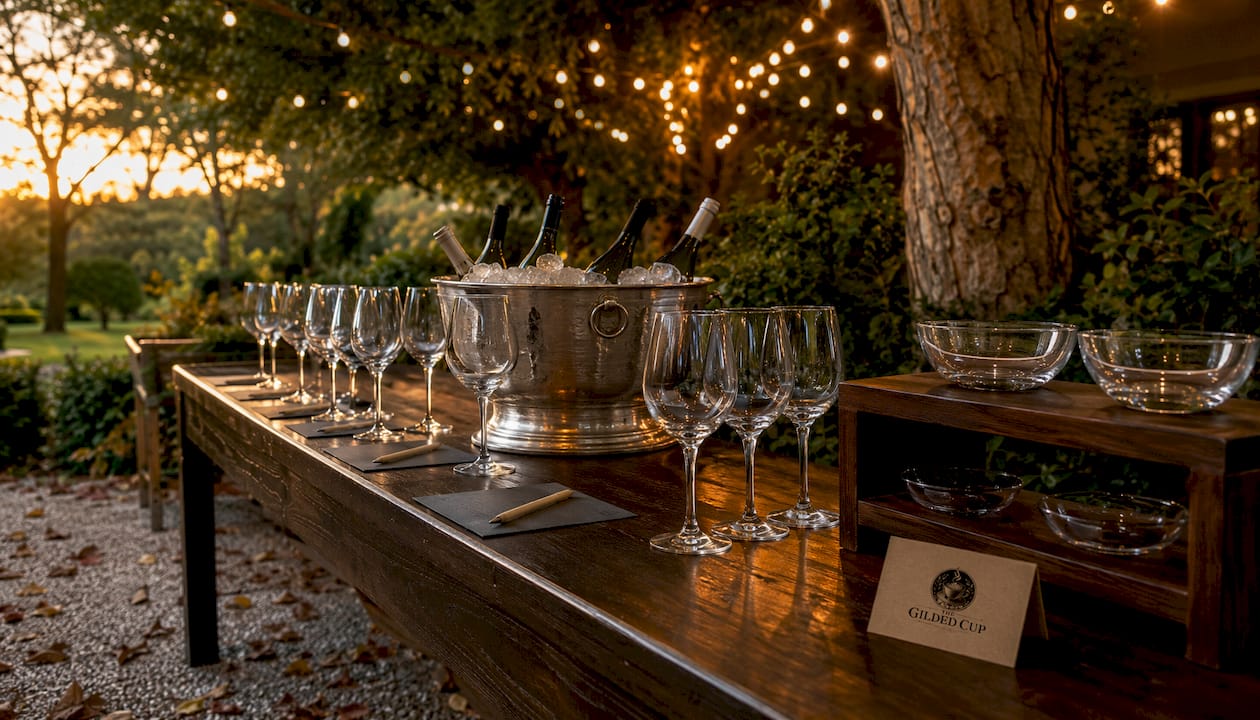
Serving temperature is where most home hosts go wrong. White wines served too cold mute their aromas; reds served too warm push alcohol forward and flatten fruit. Aim for whites at cool but not ice-cold temperature and reds at a moderately cool room temperature. Pull whites from the fridge 10 minutes before serving and move reds to a cool spot an hour ahead.
Setup checklist for your tasting area:
- One or two matching glasses per guest (identical shape matters)
- Water at every seat for palate cleansing
- A dump bucket or rinse station so guests can pace themselves
- Napkins and a stable surface for bottles between pours
- Decanter for any bold reds that need air
- Tasting note cards with prompts for each wine
- Wine bags or paper bags if you are running a blind tasting
Pro Tip: Ask guests to skip heavy perfume or cologne. Scent is most of what we perceive as taste, and a strong fragrance at the table affects everyone’s ability to smell the wines.
Experienced hosts provide two glasses per guest and a rinse station, which lets people compare two wines side by side without needing a full set of fresh glasses for every pour. Decant bold reds at least 30 minutes before guests arrive.
Providing food pairings and keeping guests engaged
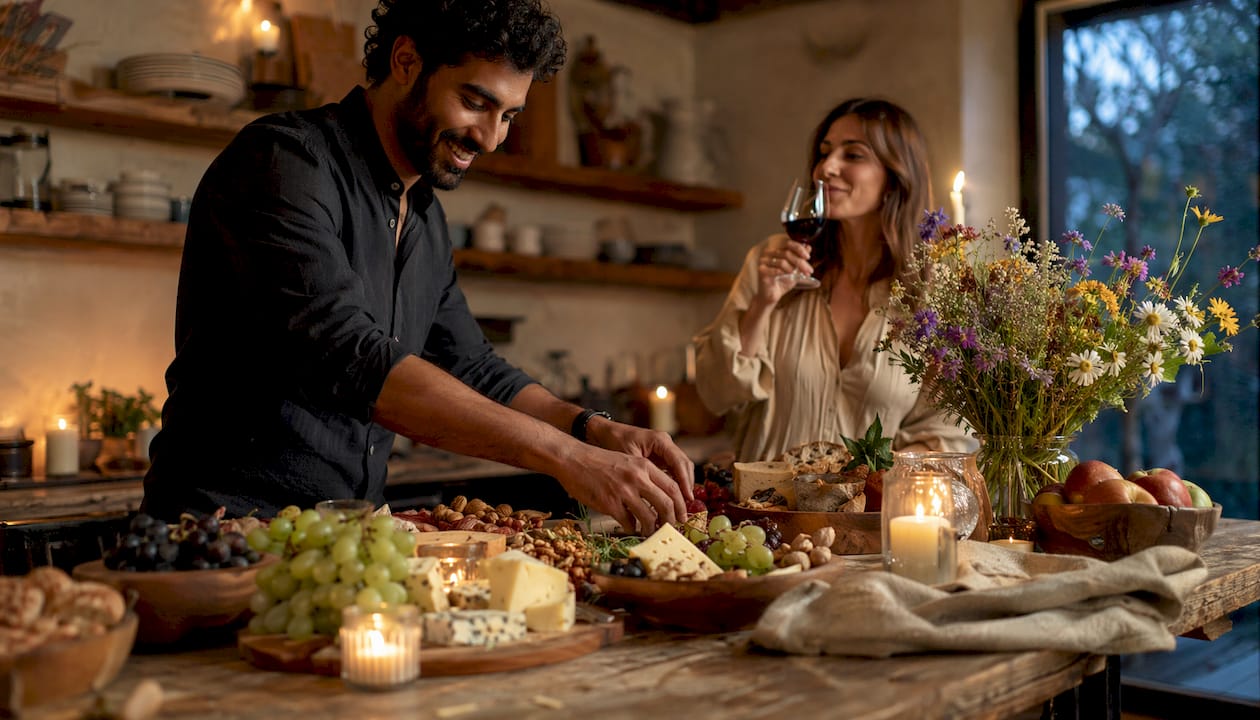
Food during a wine tasting serves one purpose: keeping palates fresh between pours. The two-phase strategy works best. During the tasting, keep snacks neutral: plain crackers, sliced baguette, and water. After the formal tasting wraps up, bring out the indulgent spread.
Avoid anything spicy, heavily vinegary, or very sweet during the tasting itself. Those flavors distort how the next wine reads on the palate. Mild cheeses, unsalted nuts, and sliced fruit are safe throughout.
Food that works during and after a tasting:
- During: Water crackers, plain bread, mild fresh cheese, sliced apple or pear
- After: Charcuterie, aged cheeses, cured meats, mushroom crostini, dark chocolate with bold reds
Address dietary restrictions before the event. Ask guests when you send invitations. Keeping at least one non-alcoholic option available alongside water is a simple courtesy that makes everyone feel welcome, and Dry Creek Vineyard notes that some guests may also appreciate knowing whether wines were made with animal-based fining agents.
The host’s job during the tasting is to facilitate, not lecture. Ask open questions. What do you smell first? Does this feel lighter or heavier than the last one? Those prompts spark conversation without putting anyone on the spot.
Timing, pacing, and flow of the wine tasting event
Pacing is the variable most hosts underestimate. Rush the pours and guests never settle into a wine. Drag it out and attention drifts. Giving each wine 10–15 minutes keeps people engaged and leaves room for genuine discussion before moving on.
A standard tasting pour runs about 2–3 ounces, roughly half a regular serving. A standard bottle yields multiple tasting pours at this size. For a group of 8–10 guests, plan on two bottles of each wine. People pour heavier as the evening progresses, so having extra is not optional.
A simple event flow that works:
- Welcome pour (sparkling wine or a light white) while guests settle in
- Brief overview of the theme, no more than two minutes
- First wine: look, smell, taste, write notes, then discuss
- Short palate break with water and crackers
- Continue through the lineup in order from lightest to boldest
- Revisit favorites at the end, reveal labels if blind
If your lineup includes wines above 14.5% ABV, serve smaller pours and add extra breaks. High-alcohol wines fatigue the palate faster than most guests expect. A total event length of 90 minutes to two hours works well for most groups.
Professional wine tasting techniques to share with guests
Teaching guests a simple tasting framework turns passive drinking into active discovery. The method used by wine professionals worldwide follows five steps, often called the 5 S’s.
The 5 S’s of wine tasting: See, Swirl, Smell, Sip, Savor. Each step builds on the last. See the color and clarity. Swirl to release aromas. Smell before tasting. Sip and let the wine coat your whole mouth. Savor the finish and notice how long the flavor lingers.
The WSET Systematic Approach to Tasting organizes this into four stages: Appearance, Nose, Palate, and Conclusions. It is the same framework taught in certified wine education programs, and it translates cleanly to a home tasting.
Simple prompts to give guests at each step:
- See: Hold the glass against a white background. Is the color pale or deep? Clear or hazy?
- Swirl: Keep the base on the table and rotate gently. Watch how the wine moves.
- Smell: Take short sniffs rather than one long inhale. What is the first thing you notice?
- Sip: Let the wine coat your entire mouth. Notice acidity (does it make you salivate?), tannin (that drying grip on your gums), and body (light like water or heavy like cream?).
- Savor: After swallowing, how long do the flavors linger? A long finish generally signals quality.
Capital Wine School emphasizes that beginners should focus on structural elements like acidity and tannin rather than feeling pressure to name a specific grape or region. Sensory awareness comes first. Identification follows with practice. Have guests write their impressions before any group discussion. Tasting notes written before talking reduce groupthink and produce far more interesting conversations when the floor opens up.
Choosing glassware and decor to set the right tone
Glassware is not a detail. The shape of a glass changes how a wine smells and tastes, and mismatched glasses mean guests are technically experiencing different expressions of the same wine. Matching stemware is the one non-negotiable in the setup.
The ISO tasting glass, which narrows toward the top, concentrates aromas and works across all wine styles. You do not need a different glass for every variety. One good universal shape, matched across the table, is enough. For a deeper look at how stemware selection affects tasting quality, Thegildedcup’s guide on proper stemware for wine lovers covers the specifics.
Decor and ambiance tips that actually matter:
- Use a white tablecloth or lay white paper on the table for color assessment
- Keep lighting bright enough to see the wine clearly, warm enough to feel inviting
- Skip scented candles in the tasting area; unscented only
- A polishing cloth on the table keeps glasses spotless before guests arrive
- A simple card per wine with the name, vintage, and two or three tasting prompts is more useful than elaborate decorations
For upscale events, a decanter on the table does double duty: it aerates bold reds and signals to guests that the host has thought about presentation. Thegildedcup’s event glassware planning guide walks through quantities and styles for groups of different sizes.
How to build your guest list and send invitations
Keep the guest list tight for a first event. Six to ten guests is the sweet spot for a home tasting. Smaller groups generate more focused conversation; larger ones require more logistics and make it harder to pace the pours evenly.
Send invitations two to three weeks ahead. State the theme clearly so guests know what to expect, and mention that you will be selecting the wines. If you want contributions, ask for a flat amount rather than bottles. Include the start time, the approximate end time, and a note about dress code if the setting is more formal.
Ask about dietary restrictions and alcohol preferences in the invitation itself. That one question saves awkward moments on the night and lets you plan your food spread accordingly.
Budgeting and cost management for the event
A well-structured tasting does not require expensive wine. Four bottles at $15 each is enough for a real themed tasting. The structure produces the learning, not the price. Same-grape and Old World vs. New World themes work especially well at the budget tier because regional differences read clearly even in entry-level bottles.
A practical budget breakdown for a group of eight:
| Item | Estimated cost |
|---|---|
| 4–5 wines (two bottles each) | — |
| Glassware rental (if needed) | $1–$3 per glass |
| Palate cleansers and snacks | — |
| Post-tasting food spread | — |
| Tasting cards and printing | Under $5 |
Renting glasses is worth considering if you are hosting more people than you have matching stemware. Rental glasses typically run $1–$3 each and come back clean. Buying a basic set of ISO tasting glasses is the better long-term investment if you plan to host regularly. A wine night hosting checklist can help you track every supply category without missing anything.
Planning serving quantities and wine purchasing logistics
Buy wine at least a week before the event so bold reds have time to rest after shipping. For a group of 8–10 guests tasting five wines at standard 2–3 ounce pours, plan on two bottles of each wine. That gives you a buffer for second tastings of crowd favorites.
Sequence your purchases around the theme. If you are running a varietal comparison, source all bottles from the same retailer visit so you can compare prices and ask for staff recommendations. For a blind tasting, keep the bottles bagged and numbered from the moment you get home. A wine tasting party setup guide can help you organize the logistics for social group formats.
Chill whites and sparkling wines the morning of the event. Move reds to a cool room, not the refrigerator, a few hours before guests arrive. Have a wine opener for every three guests if you are pouring multiple bottles simultaneously.
Cleanup and post-event follow-up
Set out a collection tray for empty glasses before the event ends. It makes cleanup faster and prevents breakage. Rinse glasses with warm water immediately after the tasting; wine residue sets quickly and is harder to remove once dry.
Send a short follow-up message to guests within 24 hours. A simple note with the wine list, the producer names, and any bottles that generated the most conversation gives guests something to reference when they want to buy a bottle they loved. It also makes you look like a host who thought of everything.
Ask for feedback directly. Which wine surprised them most? Would they prefer a different theme next time? That input shapes a better event the next time around, and it keeps the conversation going well after the last glass is poured.
Key Takeaways
A successful wine tasting event runs on theme, structure, and pacing. Get those three right and the wines do the rest.
| Point | Details |
|---|---|
| Theme drives everything | A single-variable theme makes wines teach themselves without any formal lecturing. |
| 4–6 wines is the right range | Fewer lacks contrast; more than six overwhelms palates before the last pour. |
| Two bottles per wine for 8–10 guests | People pour heavier as the evening progresses, so extra supply is not optional. |
| 10–15 minutes per wine | This pace keeps guests engaged and leaves room for real discussion. |
| Matching glasses are non-negotiable | Different glass shapes change how wine smells and tastes, skewing guest perception. |