

Examples of Collectible Ceramics: A Collector's Guide
Collectible ceramics are ceramic objects defined by artistic intention, physical presence, and documented provenance, making them among the most sought-after categories in the fine art and antiques market. The term “collectible ceramics” covers everything from American art pottery to Chinese imperial porcelain, but the industry standard term is art ceramics or art pottery when referring to studio and factory pieces with genuine artistic merit. The best examples reward repeated viewing, hold their value across decades, and carry a history you can feel in the weight of the piece. This guide walks you through the most important examples of collectible ceramics, how to identify them, and what separates a true collectible from a decorative object.
1. Examples of collectible ceramics: American art pottery
American art pottery represents one of the strongest categories for new and seasoned collectors alike. Makers like Rookwood, Teco, Grueby Faience, Newcomb College, Weller, and Van Briggle each developed a distinct visual language between the 1880s and 1940s that auction houses still track closely today.
Grueby Faience stands out for its matte green glazes and organic forms. A Grueby Faience covered jar with moth decoration sold for $138,600 in february 2026. That result confirms that exceptional condition and rare decoration drive prices well above typical market expectations.
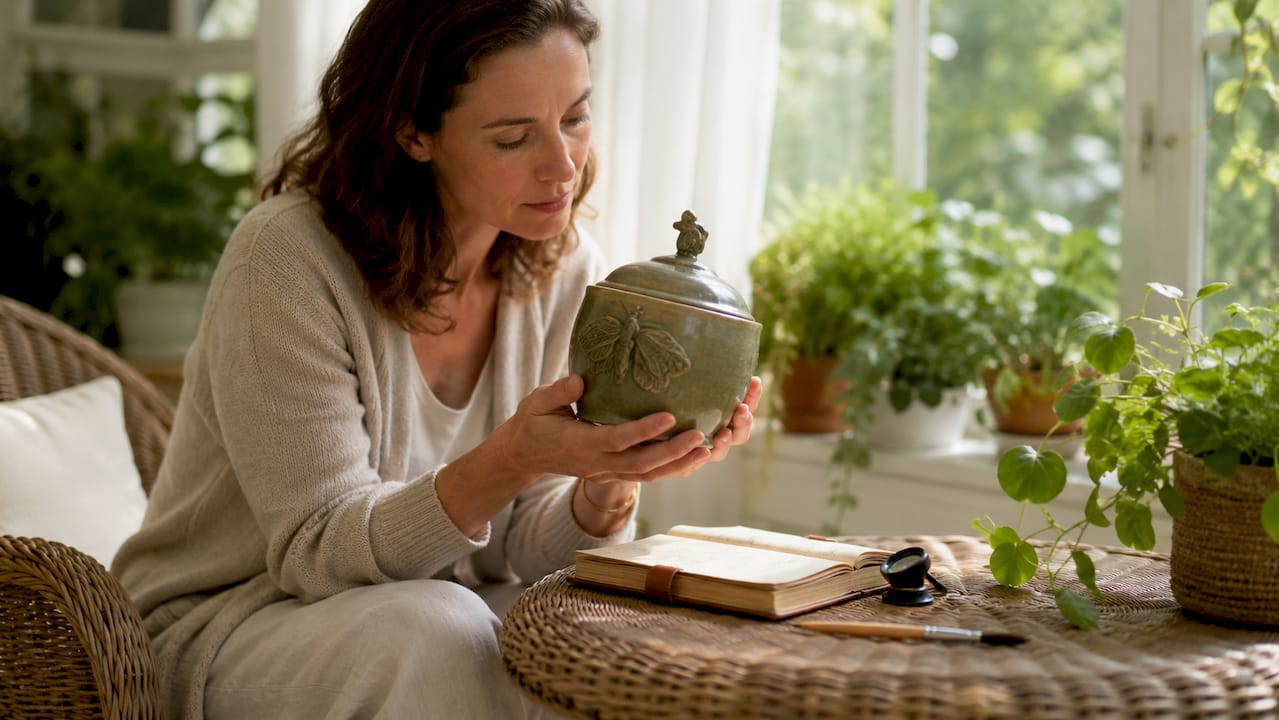
Rookwood is the most widely collected American art pottery brand. Its Standard Glaze portraits, Iris Glaze florals, and Vellum landscape plaques each appeal to different collector profiles. Newcomb College pieces, made by students at Tulane University, carry academic provenance that adds a layer of historical significance beyond the glaze work alone.
Pro Tip: When buying American art pottery, prioritize pieces with original factory marks and no restoration. Even a hairline crack on a Rookwood vase can reduce its value by more than half.
2. European art pottery worth collecting
European art pottery covers a wide geographic and stylistic range. Meissen, Sèvres, and Vienna porcelain remain the most stable categories in the European market, according to porcelain market trends in 2026. That stability reflects consistent collector demand and a deep auction record going back centuries.
Royal Doulton figurines and Staffordshire Portrait Figures are popular ceramic collectibles, but their market has softened. Condition issues and reproduction flooding have pushed values down for these categories. Meissen, by contrast, benefits from rigorous factory documentation and a global collector base that keeps prices firm.
Majolica, the tin-glazed earthenware tradition from Italy and later England, offers an accessible entry point. George Jones and Minton majolica pieces from the Victorian era fetch strong prices when the relief decoration is crisp and the glaze is intact.
3. Key types of collectible ceramics by material
Understanding ceramic types helps you evaluate any piece you encounter. The main categories are earthenware, stoneware, porcelain, bone china, slipware, and Delftware, and each carries different collectible significance.
| Ceramic type | Key collectible trait | Notable examples |
|---|---|---|
| Earthenware | Rich glaze color, historical depth | Majolica, Delftware, slipware |
| Stoneware | Dense body, salt or ash glazes | American crocks, German Westerwald |
| Porcelain | Translucency, fine detail | Meissen, Sèvres, Chinese export |
| Bone china | Warm translucency, lightness | Royal Crown Derby, Spode |
| Slipware | Trailed decoration, folk character | English harvest jugs, Pennsylvania Dutch |
| Delftware | Tin glaze, blue and white painting | Dutch Golden Age tiles and vases |
Porcelain’s translucency and vitrification boost collector demand compared to earthenware. That physical quality is something you can test yourself by holding a piece up to light. Bone china shares that translucency but has a warmer tone due to its calcined bone content.
Pro Tip: Hold a piece to a light source. True porcelain and bone china glow with a warm translucency. Earthenware and stoneware stay opaque, which is a fast material check before you look at any marks.
4. How to identify collectible ceramics: marks, provenance, and condition
Identifying vintage ceramics accurately requires more than reading a mark on the base. Successful collectors combine physical clues, provenance research, and auction cross-referencing rather than relying on a single identifier.
A practical six-step process covers the core method:
- Photograph the piece from multiple angles, including the base and any marks.
- Note all provenance details: previous owners, purchase receipts, exhibition labels.
- Decode the maker’s mark using a dedicated reference database or the ceramics identification checklist from Thegildedcup.
- Check the material by weight, translucency, and surface texture.
- Grade the condition: look for chips, cracks, crazing, restoration, and glaze loss.
- Cross-reference your findings with recent auction results for comparable pieces.
Two common mistakes trip up new collectors. First, four-digit numbers on ceramic bases are often shape or pattern codes, not production years. Second, a clean, bright appearance can signal a recent restoration rather than exceptional preservation. Examining the foot rim and matching the glaze type to known factory practices are the advanced techniques that separate experienced collectors from beginners.
- Watch for marks that look printed rather than impressed or painted. Reproductions often use decal marks.
- Check for glaze pooling inside the foot rim. Authentic period pieces show specific pooling patterns consistent with their firing method.
- Ask for condition reports from auction specialists before bidding. Their notes often reveal restoration that photographs hide.
5. Chinese porcelain: one of the most prized collectible categories
Chinese porcelain is the single most traded category in the global ceramics auction market. Imperial pieces from the Song, Ming, and Qing dynasties carry provenance that spans centuries, and their glazes, from the pale celadon of the Song to the vivid famille rose of the Qing, represent technical achievements that Western factories spent generations trying to replicate.
Experts at Christie’s emphasize that physical familiarity is the best defense against counterfeit Chinese ceramics. Photos cannot convey the weight, glaze depth, or subtle surface texture of a genuine piece. Handling authenticated examples at auction previews builds the sensory memory that protects you from fakes.
Key forms to know include:
- Guan ware: Song dynasty official ware with crackled celadon glaze and dark body.
- Blue and white porcelain: Ming dynasty cobalt decoration under a clear glaze, widely collected worldwide.
- Famille rose: Qing dynasty enamel palette with pink tones derived from gold, used on both imperial and export pieces.
- Yixing stoneware: Unglazed purple clay teapots from Jiangsu province, prized for their tactile quality and tea culture association.
The reign mark on the base of a Chinese piece is a starting point, not a conclusion. Many pieces carry earlier reign marks as a mark of respect rather than as a production date. Cross-referencing the mark with the glaze style, body color, and foot rim treatment is the only reliable authentication method.
6. Studio pottery: accessible, personal, and increasingly valuable
Studio pottery is the category where craft and fine art overlap most clearly. Studio pottery pieces are typically hand-thrown or hand-built by individual artists, signed, and produced in small numbers. That combination of uniqueness and artistic voice makes them genuinely collectible rather than merely decorative.
Artisan Anna Shipulina defines collectible ceramics as objects that reward repeated viewing through inevitable form and surface quality. Studio pottery fits that definition precisely. A well-thrown stoneware bowl with an ash glaze by a recognized studio potter carries more presence than a factory piece with a famous name.
Studio pottery is also more accessible than imperial Chinese porcelain or early American art pottery. Prices for emerging studio potters start in the hundreds rather than the thousands, and the collector who builds relationships with living artists often acquires pieces that appreciate significantly over time. Collectors increasingly value ceramics for their tactile, sensory presence and their ability to introduce history and texture into a living space.
7. How to store and display collectible ceramics
Storage and display directly affect the long-term value of any ceramic collection. Condition is the most critical factor in value assessment, and preventable damage from poor storage destroys more collections than the market ever does.
Store pieces away from direct sunlight. UV exposure fades glazes and can cause crazing in sensitive earthenware bodies over time. Use acid-free tissue paper to wrap pieces individually, and never stack ceramics without padding between them. For display, follow the guidance on displaying fine ceramics to protect pieces while showing them at their best.
Humidity matters more than most collectors realize. Rapid humidity changes cause the ceramic body and glaze to expand and contract at different rates, which creates or worsens crazing. A stable indoor environment between 45% and 55% relative humidity protects most ceramic types. Earthquake putty or museum wax under the base prevents vibration damage on open shelves.
Key takeaways
Collectible ceramics hold their value when artistic intention, documented provenance, and excellent condition combine in a single piece.
| Point | Details |
|---|---|
| Artistic presence defines collectibility | Pieces that reward repeated viewing with clear form and glaze quality are true collectibles. |
| Condition is the top value driver | Even rare categories lose value sharply when damaged; prioritize unrestored examples. |
| Material type signals market tier | Porcelain and bone china command higher demand than earthenware due to translucency and technical complexity. |
| Marks require context | Numbers and marks on ceramic bases need cross-referencing with glaze, body, and auction data to be meaningful. |
| Hands-on experience protects collectors | Physical handling at auction previews builds the sensory knowledge that photographs cannot replace. |
Why ceramics are the most honest collectibles I know
I have spent years around fine ceramics, and the one thing that still surprises me is how quickly a piece reveals itself in your hands. You pick up a genuine Song dynasty celadon bowl and the weight, the coolness of the glaze, the slight irregularity of the foot rim all speak at once. No photograph captures that. No description prepares you for it.
What I find most compelling about collecting ceramics is that the object cannot lie for long. A reproduction glaze sits differently on the surface. A restored chip has a different reflectivity under raking light. The physical familiarity you build by handling authenticated pieces at auction previews is worth more than any reference book.
My honest advice to anyone starting a collection: do not buy from photographs alone for the first two years. Go to auction previews. Handle everything you can. Ask the specialists questions. The tactile education you get from holding a genuine Rookwood vase or a Grueby jar is the foundation that protects every purchase you make afterward. The features of premium ceramics become obvious once you have felt them. Until then, they remain invisible.
Ceramics also occupy a unique position in any collection because they live with you. A painting hangs on a wall. A ceramic bowl sits on your table, holds your fruit, catches the morning light. That daily presence is what separates ceramics from almost every other collectible category. You do not just own them. You use them, and they age with you.
— Sharbel
Thegildedcup and the world of fine collectible ceramics
Thegildedcup brings together a carefully selected range of fine ceramics and luxury drinkware for collectors who care about quality and craftsmanship. Whether you are building a focused collection or looking for a gift that carries genuine artistic weight, the platform offers pieces chosen for their presence, not just their appearance.

Thegildedcup also publishes detailed collector guides covering identification, display, and the history behind the pieces it carries. If you want to go deeper on any category covered here, the collectible ceramics collection is a strong starting point. New pieces and editorial content are added regularly, so returning collectors always find something worth their attention.
FAQ
What is collectible ceramics?
Collectible ceramics are ceramic objects defined by artistic intention, physical presence, and provenance that make them valuable beyond their functional use. The category includes art pottery, studio pottery, Chinese imperial porcelain, and European factory porcelain.
How do I spot vintage ceramics?
Check the maker’s mark, examine the foot rim for glaze pooling consistent with period firing methods, and test translucency by holding the piece to light. Cross-reference your findings with auction records for comparable pieces.
Why collect rare ceramics?
Rare ceramics combine historical significance, tactile beauty, and long-term value retention in a single object. Collectors value ceramics for their ability to introduce texture, history, and sensory presence into a living space in a way few other collectibles can.
How do I identify collectible ceramics accurately?
Use a six-step identification process that covers photography, provenance notes, mark decoding, material checks, condition grading, and auction cross-referencing. Never rely on a single identifier alone.
How should I store collectible ceramics?
Keep pieces away from direct sunlight and rapid humidity changes, ideally in an environment between 45% and 55% relative humidity. Wrap individual pieces in acid-free tissue paper and use museum wax under displayed pieces to prevent vibration damage.